
WHAT IS HEALTH?
Health is a state of complete “physical, mental, and social well-being” and not merely the absence of disease or infirmity.
1.1 WHAT EXACTLY IS A MENTAL ILLNESS?
A mental illness is a physical illness of the brain that causes disturbances in thinking, behavior, energy or emotion that make it difficult to cope with the ordinary demands of life. Research is starting to uncover the complicated causes of these diseases which can include genetics, brain chemistry, brain structure, experiencing trauma and/or having another medical condition, like heart disease.
The two most common mental health conditions are:
(1) Anxiety Disorders
More than 19% of adults each year struggle with some type of anxiety disorder, including:
- Post-traumatic stress disorder (PTSD)
- Obsessive-compulsive disorder (OCD)
- Panic disorder (panic attacks)
- Generalized anxiety disorder and specific phobias
(2)Mood Disorders
Mood disorders, such as depression and bipolar disorder, affect nearly 10% of adults each year and are characterized by difficulties in regulating one’s mood.
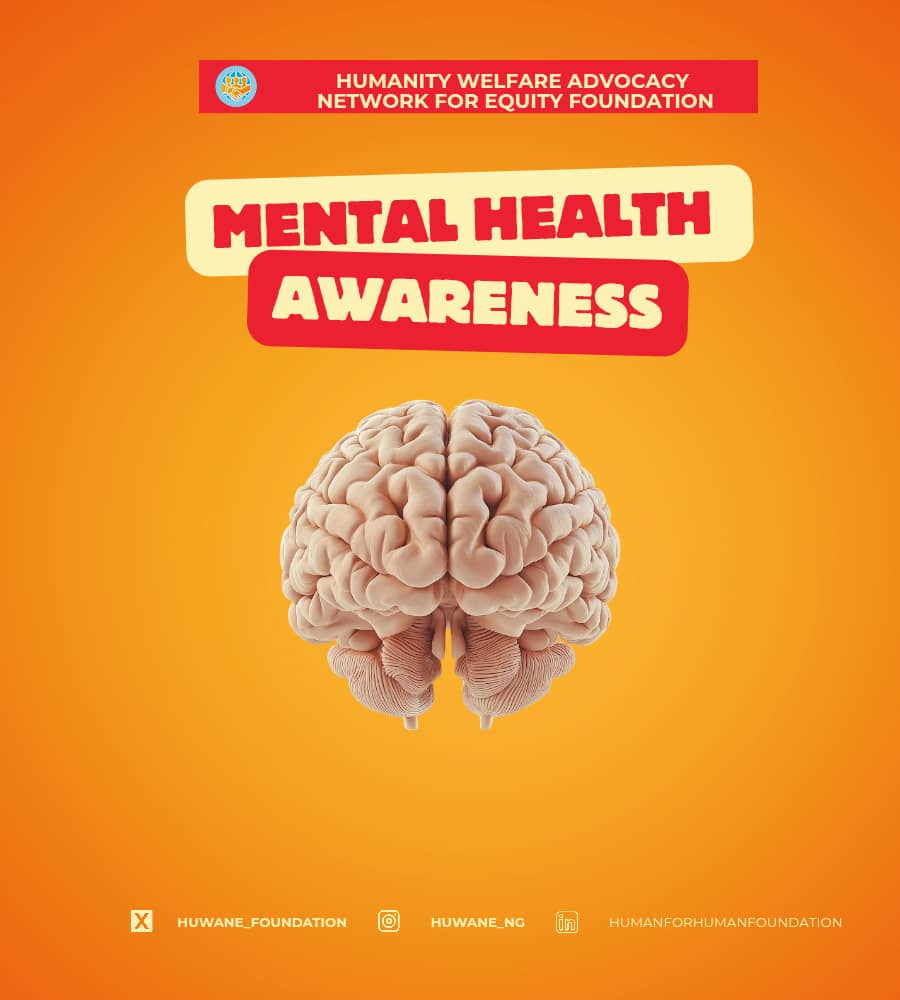
- WHAT IS MENTAL HEALTH AWARENESS?
It involves learning and spreading accurate information about mental health issues, with the goal of reducing stigma and promoting understanding.
Mental illnesses affect 19% of the adult population, 46% of teenagers and 13% of children each year. However, only half of those affected receive treatment, often because of the stigma attached to mental health. Untreated, mental illness can contribute to higher medical expenses, poorer performance at school and work, fewer employment opportunities and increased risk of suicide.
The WHO reports that depression can lead to suicide, something that costs close to 800,000 lives per year. The contributing factors surrounding depression strike a similar chord, from anxiety and drug and alcohol use disorders, to biological issues such as bipolar affective disorder.
This statistics alone underscores the importance of Mental Health Awareness. Despite this, conditions such as depression and other mental health issues have had stigmas attached to them. Often, seeking help is seen as a sign of weakness or something that evokes shame. Have these stigmas changed in recent times?
2.1 MENTAL HEALTH STIGMAS: WHAT ARE THEY?
Mental health stigmas can often come from either a place of fear or a lack of understanding. Unfortunately, this combination can foster a negative view of individuals who are dealing with mental health issues.
The American Psychiatric Association (APA) lists three different types of stigmas.
- The first type, public stigma, refers to the negative attitudes others possess about mental illness.
- The second type, self-stigma, involves the negative attitudes that people with mental illness have regarding their own illness.
- The third type is institutional stigma. This is a systemic stigma involving private and government agencies limiting treatment opportunities for mental illnesses via actions like lowering funding for mental illness research.
While public and institutional stigmas generate from outside sources, self-stigma comes from within. Those with self-stigma may feel they are victims of discrimination, and they may subsequently act like victims and encourage others to treat them differently.
Although the general perception of mental illness has improved over the past decades, studies show that stigma against mental illness is still powerful, largely due to media stereotypes and lack of education, and that people tend to attach negative stigmas to mental health conditions at a far higher rate than to other diseases and disabilities, such as cancer, diabetes or heart disease.
Stigma affects not only the number seeking treatment, but also the number of resources available for proper treatment. Stigma and misinformation can feel like overwhelming obstacles for someone who is struggling with a mental health condition.
Here a few powerful things you can do to help:
- Showing individuals respect and acceptance removes a significant barrier to successfully coping with their illness. Having people see you as an individual and not as your illness can make the biggest difference for someone who is struggling with their mental health.
- Advocating within our circles of influence helps ensure these individuals have the same rights and opportunities as other members of your church, school and community.
- Learning more about mental health allows us to provide helpful support to those affected in our families and communities.
- LEGAL FRAME WORKS TO IMPROVE MENTAL HEALTH AWARENESS
- The Role of Policy and Legislative Measures
One of the important ways to improve the lives of people with mental disorders is through policies, plans, and programs that lead to better services. In order to achieve positive outcomes, promotion of mental health, prevention of mental disorders, and treatment and rehabilitation are complementary strategies essential in mental health policy. Efficient implementation of such policies and plans, requires effective legislation aligned with internationally accepted human rights standards and good practices. While realistic law with realistic and attainable goals has the potential of making “positive difference” to the lives of people with mental disorders, unrealistic legislation with unrealistic goals may lead to diversion of resources from service development due to unnecessary expenses. Resource implications are very crucial for any legislation for positive outcome.
Mental health Legislation offers an important mechanism to ensure adequate and appropriate care and treatment, protection of human rights of people with mental disorders, and promotion of mental health of populations. The objective of mental health enactments generally remains toward the concerns and protection of people with mental disorders as well as toward the rights and protection of community to which the person with mental disorder belongs. Thus, effective implementation of mental health legislation should ensure the accountability of the service providers facilitating the compliance with the mental health policies and directives.
- National Mental Health Act: In recent times, the recognition of mental health as a critical concern within the public health and developmental spheres has become apparent to the Nigerian government. This realisation has spurred the government to revise the mental health law that was initially introduced in 1916, subsequently bolstered by the introduction of the Mental Health Policy in 1991. Nigeria’s new mental health Act, ‘National Mental Health Act, 2021’, was signed into law by the president in January 2023. The Lunacy Ordinance, implemented in 1916, was Nigeria’s first mental health law. In 1958, the revision of the Lunacy Ordinance to the Lunacy Actallowed medical practitioners and judges to detain individuals with mental illnesses. After being renamed the Lunacy Act of 1958, this Act has since not been amended. A little over 60 years after passing the Lunacy Act of 1958, there has been a call to repeal the obsolete Act because of certain deficiencies such as the utilization of the term ‘lunatic’ and ‘insane’ as descriptors for individuals who are experiencing mental illness; also, the Act exhibits a deficiency in adequately delineating the conceptual boundaries of mental disease. Moreover, the absence of a comprehensive and well-defined conceptualisation of mental disease poses a significant challenge in identifying individuals eligible for admission to receive appropriate therapeutic interventions, hence creating certain human rights issues.
Section 12(1) of this law states:
Without prejudice to the provisions of this Act, persons in need of mental and substance abuse services, irrespective of the cause, nature or degree of past or present mental health conditions, shall – (1) have the same fundamental rights as a fellow citizen; and (2) not be subjected to any form of discrimination.
The law in this section also ensures non-discrimination of people based on physical disability, age, gender, race, language, religion, ethnicity, or nationality. Also, it may include the right to education, vocational training, leisure, recreational activities, full employment, and participation in civil, economic, social, cultural, and political activities. This section also confers the entitlement to a legal practitioner on a patient. When a patient cannot afford such, the ‘Legal Aid Council of Nigeria or the National Human Rights Commission’ is mandated to provide legal assistance. The legislation guarantees a person with a mental health condition the right to freely and voluntarily consent to treatment or care, and this should be recorded in the patient’s clinical file. Section 4 of the law states that ‘A person may make an application to a court for the involuntary admission and treatment of a person believed to be suffering from severe mental disorder’. Aluu and Caldas-de-Almeida criticise Section 30(4) of the law, pointing out that one of the prerequisites for a medical suggestion to a court for temporary involuntary treatment is a lack of competence to give informed permission, and it can lead to misinterpretation. However, they agreed that despite the loopholes in this law, it has a positive prospect of changing mental health services in the country as it has seen an improvement from the previous legislation.
- STEPS TO REDUCING MENTAL HEALTH STIGMA AND IMPROVING ACCESS TO MENTAL HEALTH CARE.
- Education: Eradicating Stigma through Knowledge
Education stands as a fundamental pillar in the fight against mental health stigma and the promotion of overall well-being. Implementing comprehensive mental health education programs within schools and communities is vital. These initiatives aim to increase awareness, dispel myths, and foster understanding of mental health disorders. By educating individuals from a young age, we can create a generation that is empathetic, supportive, and equipped to recognise the signs of mental health issues.
- Access to care: Building a Robust Mental Health Infrastructure
Investment in mental health infrastructure is crucial to ensure adequate care for those affected. This includes training and deploying mental health professionals across the nation and establishing mental health facilities in various regions. By enhancing access to quality mental health services, we empower individuals to seek help and receive appropriate care, breaking the barriers of silence and isolation.
- Community Support: Fostering Safe Spaces for Di
Communities play a vital role in supporting individuals with mental health disorders. Encouraging open discussions about mental health and creating safe spaces for individuals to share their experiences and challenges can help combat stigma. Community-driven support initiatives can provide a sense of belonging and understanding, reducing the isolation often felt by those dealing with mental health issues.
- Government Involvement: Advocating for Policy Reforms
Government involvement and policy advocacy are pivotal in addressing mental health at a systemic level. Advocating for policies that prioritise mental health, increase funding for mental health care, and integrate mental health into national healthcare plans are essential steps forward. Collaboration between the government, healthcare providers, and mental health organisations can lead to the development of effective policies and initiatives that meet the mental health needs of the population.
- YouthEngagement: Amplifying Youth Voices
Involving young people in mental health initiatives is critical to ensuring that their unique perspectives, needs, and challenges are considered. Engaging youth in designing and implementing mental health programs can lead to more effective solutions that resonate with their demographic. Empowering the youth to be advocates for mental health not only reduces stigma but also fosters a culture of understanding and acceptance within society.
- INNOVATIVE APPROACH: Card Games like “Plethora of Thoughts”
Innovative approaches, such as card games like “A Plethora of Thoughts,” contribute to these strategies by providing a safe and enjoyable platform for individuals, especially the youth, to explore their emotions and thoughts. “A Plethora of Thoughts” facilitates self-reflection, personal growth, and open discussions around mental health in an engaging manner. By incorporating such interactive and educational tools into mental health initiatives, we can further reduce stigma and promote mental well-being.
- RECOMMENDATION
Nigeria’s 2021 Mental Health Act represents a significant improvement from the outdated Lunacy Act.29 It provides a comprehensive framework for providing mental health services and protecting the rights of people with mental illness. Nonetheless, despite these developments, a few key areas still need enhancement. To begin, there is a need for increased funding in the mental health sector to address the current inadequacies in service delivery, facilities, and research. The government should increase budgetary allocations to the mental health sector, seek support from donor agencies, and partner with the private sector to invest in mental health services. In addition, all Nigerians, regardless of their financial situation, should have access to and be able to purchase mental healthcare by including mental healthcare in the NHIS. This would lessen the financial strain on patients and their families while ensuring that individuals who require mental health services can access them. .
- CONCLUSION
Governments worldwide and the Nigerian government in particular, are being put to the test by the staggering toll that mental illness is taking on populations. There is a great need to put in place laws that will cater to the mental health needs of people and also make it attractive for people to seek these services, such as laws that will prevent discrimination and inhumane treatment of people with mental illness. The new mental health law holds an excellent prospect for Nigerian mental health services as it addresses critical issues that revolve around human rights, involuntary treatment, and detention of people with mental health issues.
By implementing these strategies collectively and consistently, Nigeria can progress towards a society that not only recognises the importance of mental health but also actively supports and advocates for the well-being of its youth. A concerted effort from individuals, communities, organizations, and the government is essential to create a positive and inclusive environment where mental health is prioritised and stigma is diminished.
This is beautifully written 👏🏿