
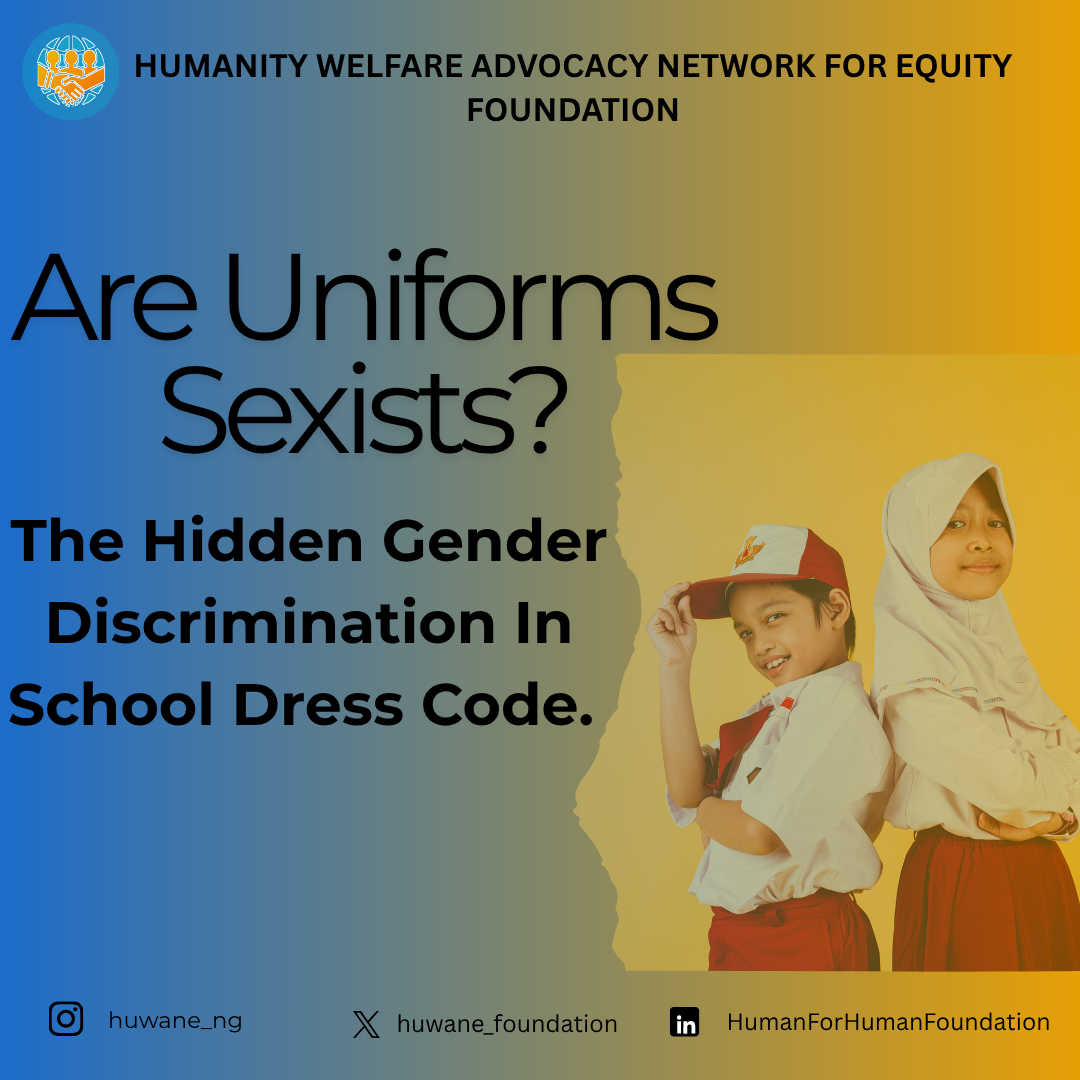

INTRODUCTION.
An Educational Policy Analyst and Gender Studies Expert is a professional who combines deep knowledge of educational systems with specialized understanding of gender issues to critically evaluate, research, and shape school policies—particularly those that relate to gender equity and inclusivity.
Educational policy analysts working within the gender studies framework are tasked with examining existing education policies and practices through an interdisciplinary lens that includes sociology, gender theory, law, and pedagogy. Their primary responsibility is the identification of gender-based disparities, biases, and systemic inequities embedded in policies—such as dress code regulations—that may appear neutral but have differential impacts on male, female, and non-binary students.
They employ a variety of research methodologies, including quantitative data analysis (e.g., statistical examination of disciplinary actions by gender), qualitative case studies (e.g., interviews and ethnographic observations), and legal analysis (e.g., adherence to anti-discrimination laws such as Title IX in the U.S.). This analysis is aimed at uncovering both overt and covert mechanisms of sexism or gender bias in school environments.
Beyond diagnosis, they craft evidence-based policy recommendations targeted at promoting gender equality, inclusivity, and non-discrimination in educational settings. This involves synthesizing empirical research with social theories about gender performativity and intersectionality, which highlight how race, class, and other social categories compound gender-based disadvantages.
Their work supports educational leadership and policymakers by providing:
– Analytical frameworks for understanding gendered impacts of policy;
– Strategic guidance for reforming or creating policies that dismantle harmful stereotypes and structural barriers;
– Monitoring tools to evaluate the long-term effects of policy changes on student outcomes.
A subspecialty includes scrutinizing dress codes to reveal how they reinforce traditional gender norms—such as regulating girls’ attire in ways that sexualize or control their bodies—while often placing fewer constraints on boys. For example, a policy analyst might document how enforcement disproportionately targets female students, leading to negative consequences like decreased school participation or increased mental health challenges.
Illustrative examples;
– In a particular school, girls get punished more often than boys for wearing skirts slightly above the knee, even though boys have no similar restrictions on their shorts or pants. The policy analyst studies the number of punishments and interviews students to show this bias.
– In another case, a school requires girls to cover their shoulders but does not regulate boys’ attire, reinforcing old-fashioned ideas that girls’ bodies are “dangerous” or “inappropriate” while boys do not have such limitations. The expert uses research on the negative effects of such rules on girls’ self-esteem and school experience.
Based on these findings, the expert might recommend changes like a gender-neutral dress code where all students can wear pants, skirts, or shirts regardless of gender, and no rules are based on stereotypes about what boys or girls “should” wear.
Why This Role is Important
This combined role is vital because educational institutions shape how young people view gender roles and their own identities. When policies unintentionally perpetuate sexism or inequality, they contribute to a wider societal problem. The expert works to make school environments more fair, safe, and supportive, helping all students focus on learning rather than worrying about unfair rules.
By bridging expertise in education and gender, this role ensures that policies not only comply with laws but also promote a culture of respect, equality, and empowerment for everyone in the school community.
Gender Discrimination in School Uniform Policies
This means thoroughly examining how the design, language, and enforcement of dress codes can create, reinforce, or perpetuate gender inequalities—even when such policies are presented as neutral or uniformly applied. This analysis involves several key steps and perspectives:
- Policy Text Analysis
Policy analysts first examine the official documents themselves, looking for gender-specific language (“girls must…,” “boys should not…”) and rules that are unequally applied or more restrictive for one gender. They assess if the policy assumes a strict gender binary or excludes non-binary and transgender identities.
- Intent vs. Impact
While policies may claim to ensure equality or discipline, the actual impact is often gendered. For example, rules about skirt length, makeup, jewelry, or “distracting” clothing are far more likely to target girls or feminine-presenting students, implying their bodies need to be controlled or are inherently sexualized.
- Enforcement Patterns
Researchers examine how the policies are actually enforced. Are girls sent home more often for dress code violations than boys? Are certain groups (such as Black girls or LGBTQ+ students) disciplined more harshly? Enforcement is often subjective, leading to disproportionate scrutiny of certain students.
- Consequences and Outcomes
The analysis looks at the effects of these policies:
– Increased absenteeism or missed class time, especially for girls and gender-diverse students.
– Body shame, stress, anxiety, or feeling sexualized due to public dress code enforcement.
– Disruption of learning and social participation.
- Legal and Social Frameworks
Analysts reference anti-discrimination laws (like Title IX in the U.S.) to argue that gender-biased dress codes may violate students’ rights. They also critique policies through the lens of gender theory—such as Judith Butler’s notion of “gender performativity”—to show how these rules reinforce narrow, outdated gender roles.
For instance;
– Short Skirts and Shame:
In some schools, girls wearing skirts deemed “too short” are pulled out of class, given “shame suits” (usually oversized or ugly clothes as punishment), or sent home—while boys are rarely punished for what they wear. This suggests the real goal is controlling girls’ appearance, not creating equality.
– Yoga Pants Bans:
Many schools have banned yoga pants and leggings for girls, saying they are “too distracting” for boys. This places the responsibility on girls for boys’ behavior and suggests boys can’t control themselves, which is unfair to both genders.
– Hair and Jewelry Policies:
Rules about short hair for boys and long hair for girls force students into strict gender boxes, sometimes punishing boys who like long hair or girls who like it short. Similarly, if only girls are banned from wearing “excessive” jewelry or makeup, the policy is gender biased.
– Impact on Learning:
When students are pulled from class or made to feel ashamed over dress code breaches, it disrupts their education and can affect their self-esteem, even though the rule is supposed to make things better for everyone.
What Goes Wrong and How to Fix It
The biggest problem comes when schools use policies to monitor and control girls’ bodies or force everyone into stereotypes (like “boys wear pants, girls wear skirts”). This discourages comfort, self-expression, and sometimes makes kids feel unsafe or unwelcome.
To fix this, schools can:
– Use gender-neutral dress codes (e.g., “students may wear pants, skirts, or shorts of any color”).
– Focus only on health or safety (e.g., “closed-toe shoes in science labs”), not personal style.
– Involve students in creating fair, comfortable policies that work for everyone, regardless of gender.
Gender Norms and Biases in School Dress Code
Gender norms are the societal expectations and cultural rules about how people should behave, dress, or even express themselves based on their assigned gender at birth. Biases are unfair inclinations or prejudices against certain groups, sometimes unconscious, that affect decision-making and policy creation. In the context of school dress codes, gender norms and biases refer to how these policies reflect and enforce stereotypical ideas about masculinity, femininity, and what is “appropriate” for each gender.
School dress codes are often designed based on traditional gender binaries—male and female—and may not account for transgender, non-binary, or gender-nonconforming students. These policies tend to reinforce the message that certain behaviours, styles, or body parts are only appropriate for one gender, which perpetuates antiquated roles:
– Explicit Gendering of Uniforms:
Many dress codes specify that “girls must wear skirts” or “boys must wear pants,” thereby institutionalizing the idea that clothing is strictly divided by gender.
– Regulation of Femininity and Masculinity:
Rules frequently restrict items associated with femininity (like makeup, jewelry, or certain hair lengths for girls) or masculinity (short hair for boys only), discouraging deviation.
– Sexualization and Control:
Some rules are designed to prevent “distraction” among male students by policing female students’ bodies (e.g., restricting skirt length, banning tank tops, or outlawing leggings), thus implying that girls are responsible for male behaviour.
– Failing to Recognize Gender Diversity:
Policies rarely recognize students who do not identify strictly as male or female, forcing them to conform to rules based on their perceived gender and causing distress or exclusion.
Examples;
– Skirt vs. Pants
– In the UK, many schools historically required girls to wear skirts or dresses and boys to wear pants. If a girl wanted to wear pants, she would be told no—but no boy would ever be told he had to wear a skirt. This sends the message that there are “girl” and “boy” ways to dress, and anything else is not allowed.
– Hair Length
– A school might say boys must have short hair, punishing a boy who prefers long hair or is inspired by cultural or religious reasons for longer hair. Girls, meanwhile, might be told they can’t shave their heads, again policing how they look based only on gender.
– “Distracting” Clothing
– Many U.S. and Canadian schools ban tank tops, leggings, or spaghetti straps for girls because they are “distracting” to boys or teachers. Instead of teaching everyone to focus and respect each other, these rules suggest girls’ bodies are a problem, encouraging both shame in girls and excuse-making for boys.
– Non-Binary Erasure
– Some students do not identify only as boys or only as girls. If the dress code has a girls’ list and a boys’ list of what’s allowed, there’s no place for those who don’t fit into just those categories. This means those students have to choose to follow rules that might not match who they are, which can be distressing.
It is important to note that, whenever a rule is stricter for one group or targets things only one gender typically does or wears, it sends a message about what’s “normal” and what’s not. Over time, this affects how kids feel about themselves, how accepted they are at school, or whether they’ll be punished just for expressing who they are.
Some schools have begun to change their dress codes so everyone can wear clothing they are comfortable in, regardless of gender, to make things more equal and fair. For example, they might say, “All students can wear pants, shorts, or skirts of any color” and not mention boys or girls at all.
Cases of Sexist Dress Code Enforcement and Inclusive Alternatives
Dress codes are intended to create order and uniformity in schools. However, when these codes are enforced in a way that targets or disproportionately impacts girls, feminine students, or those who do not conform to traditional gender norms, the result is often sexist enforcement. This means the dress code is applied in an unfair way based on gender, causing harm or discomfort, while failing to treat all students equally.
- Sexist Dress Code Enforcement: Patterns and Impact
– Selective Targeting and Surveillance
– In many schools, female students report being targeted by staff for wearing “revealing” clothing (such as tank tops, leggings, or skirts above the knee), even when male students wear similarly styled clothing without consequence. This often leads to girls being pulled out of class, sent home, or even forced to stand up in front of peers for “dress checks.”
– Example: In the U.S., high-profile cases have involved schools enforcing “fingertip-length” rules for girls’ shorts and performing humiliating public inspections, while boys’ attire was not policed in the same way.
– “Shame Suits” and Public Humiliation
– Some schools have introduced so-called “shame suits”—oversized, unfashionable clothing kept by staff and forced upon girls whose outfits allegedly break dress codes. The purpose is to embarrass students into future compliance.
– Example: In Florida, a middle school made headlines for requiring a girl to wear a bright yellow “shame suit” when her skirt was ruled too short.
– Sexualization and Blame
– Rules are often justified as “preventing distraction” of boys or male staff, implying girls’ bodies are inherently sexual or inappropriate. This places undue accountability on girls for the behavior of others.
– Example: Several Canadian and U.S. schools banned leggings and yoga pants, directly citing the need to prevent distraction for boys. This drew protest from both girls and their parents, who argued that teaching boys to control themselves would be a better solution.
– Discipline Disparities and Missed Learning
– Girls and gender-diverse students may face more detentions, suspensions, or time sent out of class due to dress code enforcement. This impacts learning, participation in school events, and self-esteem.
– Example: Studies show that dress code violations account for hundreds of lost instructional hours for girls in some districts, while boys are rarely subject to similar discipline.
– Impact on Marginalized Groups
– Rules about hairstyles, jewelry, and “natural” appearances are often used to target Black girls or those from minority cultures. The dress and hair codes are used as a smokescreen for broader discrimination.
– Example: In the UK and U.S., Black girls have been disciplined for wearing natural hair or braids, which are considered against the rules—even as similar styles on white students draw no comment.
- Inclusive Alternatives: Moving Beyond Gendered Dress Codes
Recognizing these problems, many schools and districts are creating gender-neutral, inclusive dress codes. These prioritize comfort, equality, self-expression, and reduce unnecessary policing of students’ bodies.
– Gender-Neutral Dress Code Language
– Instead of rules for “girls” and “boys,” policies are written for all students: “Shirts and pants are acceptable for all; skirts and shorts of a certain length for everyone.”
– Example: Portland Public Schools (Oregon, USA) rewrote their dress code to be gender-neutral, focusing only on safety and basic decency (like “must wear clothing that covers private parts and shoes at all times”), without mentioning gender at all.
– Allowing Cultural and Religious Expression
– Policies make room for religious or cultural attire such as hijabs, turbans, or braids.
– Example: Some Canadian school boards updated their codes so students are explicitly permitted to wear religious head coverings or hairstyles connected to their heritage, protecting diversity.
– Involving Students in Rule-Making
– Many successful reforms involve setting up committees where students, parents, and staff collaborate to design fair dress codes.
– Example: In Toronto, students helped draft new guidelines that prioritize comfort, personal style, and self-expression over arbitrary tradition.
– Emphasizing Respect, Not Policing
– The new focus is on mutual respect, not controlling behavior based on stereotypes or outdated ideas. Dress codes address only genuine safety (e.g., closed-toe shoes in labs) or prevent hate symbols—otherwise, they trust students to dress appropriately.
- Why These Alternatives Work
– Reduces Sexism and Shaming: By applying the same rules to everyone, no group is singled out for how they look or dress.
– Supports All Genders: Non-binary and transgender students are no longer forced to pick a side; everyone can dress in what feels right for them.
– Improves School Climate: Students report feeling more comfortable, confident, and respected when not worried about being shamed for clothing choices.
– Protects Learning Time: With less policing of students’ attire, more time is spent in education, not discipline or embarrassment.
Summary
School uniform and dress code policies, while ostensibly designed to foster discipline and equality, frequently conceal and perpetuate entrenched gender norms and biases that disproportionately impact female and gender-nonconforming students. These regulations often impose stricter limitations on girls’ attire—such as restrictions on skirt length, prohibitions on sleeveless tops, or labeling certain clothing as “distracting”—whereas boys typically face fewer constraints. Such selective enforcement reinforces sexist stereotypes by sexualizing girls’ bodies and assigning them responsibility for others’ conduct.
Moreover, the enforcement of these codes can involve humiliating punitive measures, including the use of “shame suits,” disproportionately harsh disciplinary actions, and biased targeting of marginalized groups, notably racial minorities and LGBTQ+ youth. The cumulative effect of these policies can be detrimental to students’ self-esteem, mental well-being, school attendance, and academic participation.
In this context, the expertise of educational policy analysts and gender studies specialists is indispensable. They critically examine the language, application, and ramifications of these policies through legal and sociocultural lenses to uncover hidden biases and advocate for equitable reforms.
In response, many schools are adopting inclusive, gender-neutral dress codes that apply uniformly to all students, regardless of gender identity. These revised policies promote cultural and religious expression while emphasizing safety and practicality rather than subjective concepts of modesty or distraction. Such inclusive approaches cultivate a more equitable and respectful school environment, enabling students to express their identities freely and with dignity, free from discrimination or shame.
In sum, to foster genuine fairness and respect within educational institutions, it is imperative to confront and rectify the gender inequities embedded in traditional dress codes by embracing inclusive alternatives that affirm all students.
Citations:
[1] Policy Analyst(s), Education Policy Analysis and Research | OECD https://www.impactpool.org/jobs/1163266
[2] Associate Educational Policy Analyst (Gender at … – GenderJobs.org https://genderjobs.org/jobs/1896
[3] Education Policy Analyst: Role and Career Prospects https://ronn.livepositively.com/education-policy-analyst-role-and-career-prospects/
[4] UNICEF Individual Consultant to conduct a comprehensive gender … https://www.unjobnet.org/jobs/detail/79960728
[5] How to Become an Education Policy Analyst | Drexel University https://drexel.edu/soe/resources/career-path/education-policy-analyst/
[6] Education Policy Analyst and Planner | UNESCO – Impactpool https://www.impactpool.org/jobs/1120625
[7] Gender Rights Jobs: Our Short Guide https://www.humanrightscareers.com/magazine/gender-rights-jobs-our-short-guide/
[8] What Does a Policy Analyst Do? – Bay Atlantic University https://bau.edu/blog/policy-analyst/
[9] UN Women: Policy Analyst, African Union Women, Pea – Careers https://jobs.undp.org/cj_view_job.cfm?cur_job_id=96844
[10] Gender Studies Policy Research Jobs, Employment | Indeed https://www.indeed.com/q-gender-studies-policy-research-jobs.html
0 Comments